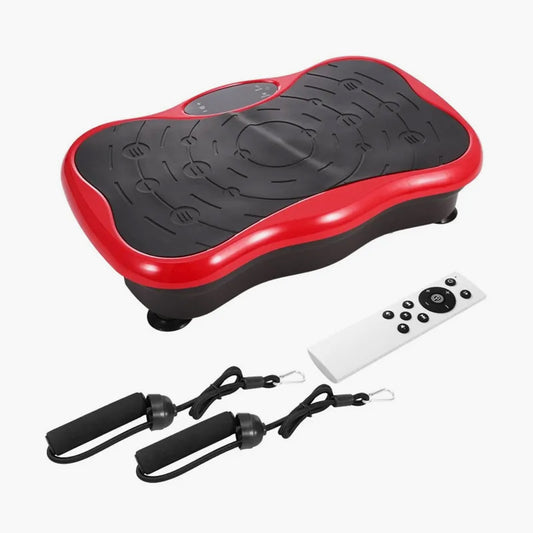

In the commercial fitness equipment sector, the demand for Vibration Plates is steadily rising. Whether for gym bulk procurement, e-commerce dropshipping, or centralized purchasing by rehabilitation centers, choosing the right supplier directly impacts operating costs and after-sales support. Facing mainstream options like top Chinese manufacturers, Lifepro, and Confidence, how should B2B buyers evaluate their respective strengths and weaknesses?
1. Brand Positioning & B2B Value Analysis
Lifepro & Confidence (Established Western Brands): These brands enjoy high recognition in the Western consumer market and come with built-in traffic, making them suitable for small retailers looking for direct distribution. However, the downsides are obvious: high procurement costs and strict channel controls from the brand owners, which often limit B2B clients in terms of customization and profit margins.
China Vibration Plate (Chinese Manufacturing Supply Chain): "China" represents the world's most comprehensive fitness equipment supply chain. Currently, leading Chinese manufacturers have reached international advanced levels in intelligent control systems, motor vibration dampening, and new material applications. Choosing a high-quality Chinese manufacturer means gaining highly competitive factory-direct pricing, flexible OEM/ODM deep customization services, and much broader room for brand premium.

2. Core Technology, Performance & Customization Capabilities
Technology & Performance: Whether it's Western brands or quality Chinese-made vibration plates, core parameters revolve around vibration frequency (Hz), amplitude (mm), and motor power. Top-tier Chinese manufacturers can now maturely provide 2D, 3D, and even 4D multi-directional vibration technologies, excelling in noise reduction and anti-slip design. With identical hardware configurations, the performance of Chinese-made vibration plates is in no way inferior to international big-name brands.
B2B Customization & Supply Chain Flexibility: This is the core competitive advantage of Chinese manufacturing. Western brands typically only offer standardized finished products, whereas Chinese factories can provide comprehensive development based on B2B needs—ranging from exterior molds, logo printing, and packaging customization to APP smart connectivity. Furthermore, backed by a robust supply chain system, leading Chinese enterprises can offer B2B clients more stable long-term supply guarantees.
3. Procurement Costs & Business Profit Models
Brand Premium vs. Cost Control: When purchasing Lifepro or Confidence products, a significant portion of the cost goes toward brand marketing and channel premiums. By dealing directly with top Chinese factories, you can acquire products with equal or even higher specifications at wholesale prices, drastically reducing the unit procurement cost.
Profit Maximization: For B2B clients looking to build a Private Label, choosing the Chinese supply chain is the essential path. It not only allows you to control terminal pricing power but also enables you to rapidly iterate products based on market feedback to seize business opportunities.
Benefiting from the highly mature production ecosystems in regions like Zhejiang and Guangdong, Chinese fitness equipment manufacturers are mostly equipped with agile supply chains, 100% inspection production lines, and international multi-system compliance certifications. In the commercial procurement arena, for B2B buyers seeking reliability, cost-effectiveness, and large-scale delivery capabilities, choosing a fully qualified and certified Chinese manufacturer is a wise decision to ensure long-term competitiveness.